



The harmful effects of overtourism
- Published on
What is overtourism?
Overtourism, also known as tourist overcrowding, is a global phenomenon resulting from the massive influx of tourists into specific destinations, to the point of exceeding these places’ management and reception capacity. This phenomenon can have significant negative impacts on destinations, the environment, local culture and the quality of the tourist experience.
The main characteristics of overtourism include excessive congestion, the deterioration of local residents’ quality of life, the degradation of the natural environment, rising property prices, the loss of cultural authenticity, the saturation of tourist infrastructure, and even conflicts between residents and visitors.
The causes of overtourism are varied, notably the rapid growth of the tourism industry, easy access to destinations thanks to cheap transport, the popularity of social media which fuels the over-exposure of certain destinations, and the concentration of visitors in restricted areas.
To tackle mass tourism, many destinations have introduced measures such as regulating visitor numbers, promoting lesser-known destinations, developing tourist infrastructure (eco-friendly campsite), and encouraging responsible, sustainable tourism. It is essential to find a balance between promoting tourism and preserving local residents’ quality of life as well as the environment, in order to ensure the long-term viability of these destinations.

How does overtourism run counter to ecological values?
Overtourism is at odds with ecological values. First of all, it puts enormous pressure on the natural environment of tourist destinations, leading to overexploitation of natural resources and biodiversity degradation. The massive influx of visitors often leads to the construction of new infrastructure, deforestation, air and water pollution, and increased energy consumption, all of which harm ecological balance.
Moreover, mass tourism often encourages unsustainable tourism practices, such as low-cost trips that generate a high carbon footprint. Excessive travel contributes to greenhouse gas emissions, thereby worsening problems linked to climate change.
Overtourism also threatens the preservation of fragile natural areas and unique ecosystems. For example, national parks and protected areas can be degraded by overcrowding, endangering local wildlife and plant life.
Finally, overtourism can lead to excessive consumption of local resources, often favouring imported products at the expense of local agriculture, which harms the local economy and culture.
To promote ecological values, it is essential to raise travellers’ awareness of the importance of sustainable tourism, promote environmentally friendly practices, limit the impact of travel on the climate, and implement regulations to manage tourist overcrowding in vulnerable destinations. Overtourism must be managed in a way that preserves our natural environment for future generations.

What are the harmful effects of mass tourism?
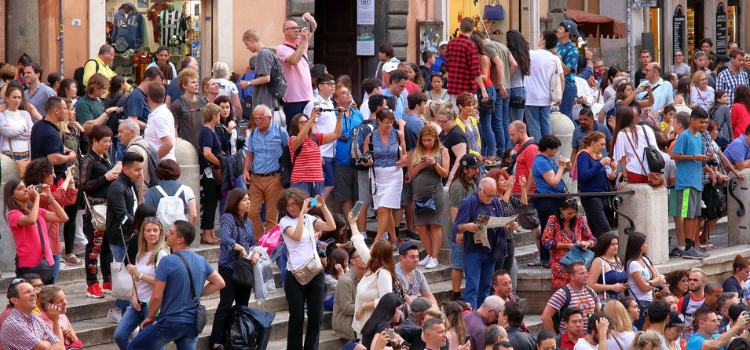
Overtourism has harmful effects on the environment, culture, residents’ quality of life, the economy, and also on the tourist experience itself.
- Deterioration of the natural environment: overtourism can cause overuse of natural resources, air and water pollution, destruction of biodiversity, deforestation, and disruption of fragile ecosystems. Natural sites and national parks are particularly vulnerable.
- Impact on the climate: the mass movement of tourists, often by plane, contributes to greenhouse gas emissions, exacerbating climate change.
- Cultural degradation: overburdened tourist destinations can lose their authentic character by adapting their offering to meet tourists’ expectations. Traditional cultural practices can be pushed into the background, harming the preservation of cultural diversity.
- Pressure on infrastructure: mass tourism puts pressure on local infrastructure, such as roads, public transport, sanitation facilities and water supply, which can lead to failures and overconsumption of resources.
- Rising prices and gentrification: high tourist demand can lead to rising property prices, making it difficult for local residents to find housing. This can lead to gentrification, where residents are pushed out of their neighbourhoods.
- Impact on quality of life: tourist overpopulation can disrupt local residents’ daily lives, particularly through noise, traffic congestion and loss of privacy.
- Loss of authenticity: local shops and activities can become increasingly focused on tourism, to the detriment of residents’ everyday lives.
- Excessive consumption of resources: overburdened tourist destinations can face problems with waste management, water and energy consumption, and waste disposal.
To mitigate these harmful effects, many tourist destinations are implementing regulatory measures, promoting sustainable tourism, limiting visitor numbers, educating travellers on responsible practices, and encouraging the diversification of tourist attractions to reduce pressure on the most popular sites. Overtourism highlights the importance of balance between tourism development and the long-term preservation of destinations.
Examples of overtourism

Étretat
Étretat, located on the Normandy coast in France, has become one of the victims of mass tourism in recent years. Famous for its impressive chalk cliffs, natural arches and exceptional coastal landscapes, the small town has become a highly sought-after tourist destination, attracting a growing number of visitors.
The harmful effects of overtourism in Étretat have become evident. The town’s narrow streets are often congested, car parks are saturated, and local infrastructure is under constant pressure. Excessive visits to natural sites have caused erosion of the cliffs, endangering these iconic natural formations. Furthermore, pollution from waste left by visitors harms the beauty of the coastal landscape.
Overtourism has also had an impact on the quality of life of local residents. Étretat’s inhabitants sometimes struggle to access essential services due to congestion and the rise in the cost of living linked to the tourism industry. Furthermore, gentrification has caused property prices to soar, making it difficult for local residents to access housing.
Faced with these challenges, Étretat’s local authorities have sought to regulate overtourism by introducing measures such as limiting visitor numbers, managing access to natural sites, and promoting more sustainable tourism. These efforts aim to protect the environment, preserve the town’s authenticity and improve residents’ quality of life, while continuing to welcome visitors responsibly. Étretat’s case highlights the complex challenges faced by many tourist destinations having to deal with mass tourism.
Venice
Venice, one of Italy’s most iconic cities, has been severely affected by overtourism over recent decades. This unique lagoon city, famous for its romantic canals, magnificent churches and cultural wealth, attracts millions of visitors every year, which has led to a series of problems linked to overtourism.
The main harmful effect of overtourism in Venice is congestion. The city’s narrow streets and canals are packed, making peaceful strolling difficult for visitors and everyday life difficult for local residents. Famous tourist sites, such as St Mark’s Square and the Rialto Bridge, are often overwhelmed by visitors.
The rise in tourist numbers has also led to rising property prices, pushing many Venetians to leave the city in search of affordable housing. This gentrification has had a significant impact on the city’s demographic makeup.
Moreover, tourist activities have had a significant environmental impact. The large cruise ships that dock in Venice have been a source of controversy due to their impact on the environment and on the stability of the city’s historic buildings.
Venice’s authorities have taken measures to combat overtourism, including regulating tourist rental accommodation, introducing quotas for cruise ships, and running awareness campaigns to encourage responsible behaviour among visitors.
Despite these challenges, Venice remains one of the most iconic tourist destinations in the world. The challenge lies in achieving a balanced management between preserving its rich cultural heritage, protecting its fragile environment and guaranteeing a high-quality travel experience for visitors.
Related articles



Our camping selection