
Blog
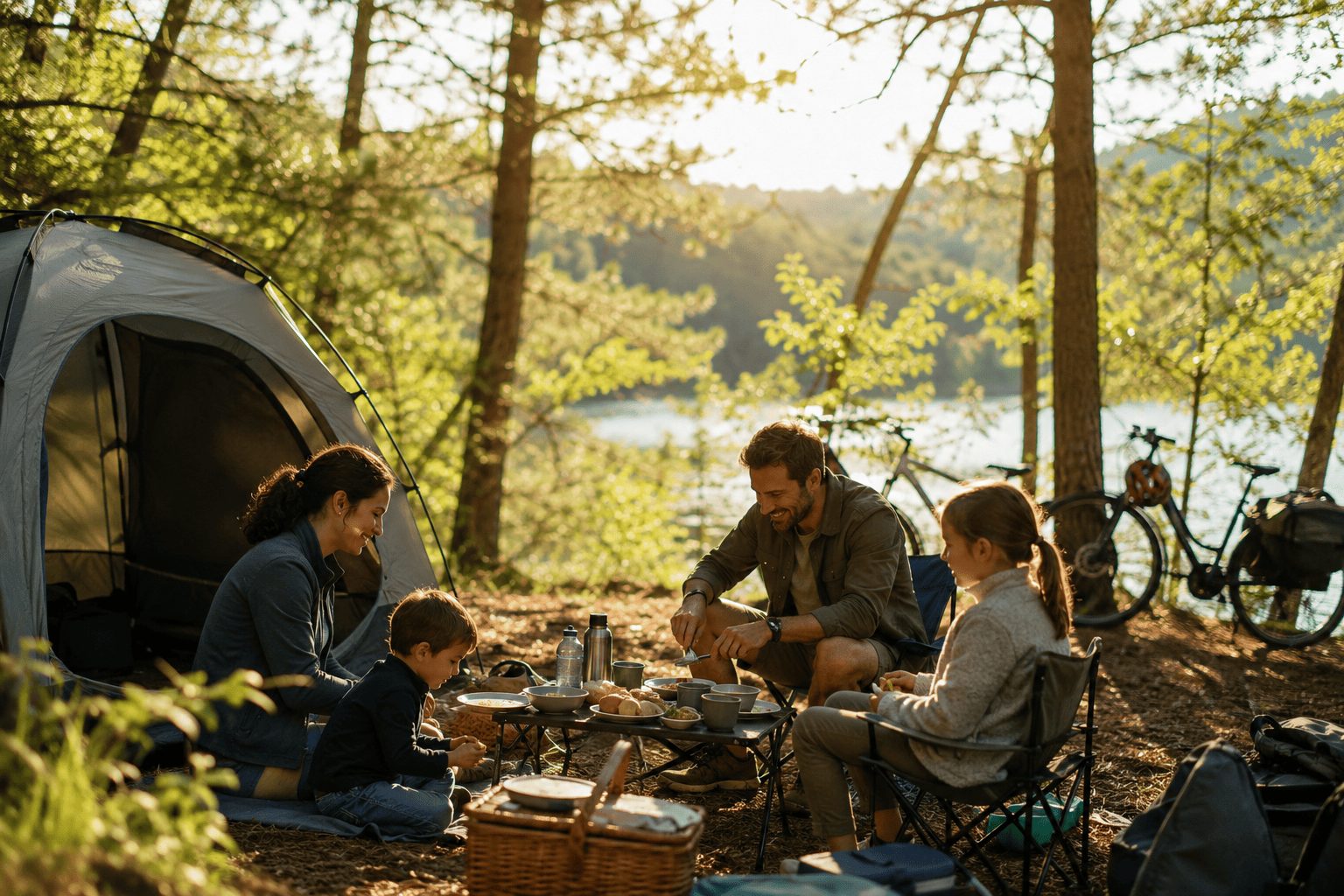
Going family camping calls for a few decisions made in advance: the right accommodation, the activities to plan, and the right gear to bring. With the right eco-friendly campsite, the kids enjoy an unspoilt natural setting, the parents get to unwind, and the whole family reconnects away from screens. From choosing the site to packing the ideal suitcase, via on-site activities and practical preparation, our tips cover the essentials to turn your holiday into a shared success!

Choosing a campsite suited to the whole family rests on three criteria: children’s safety, the quality of the facilities, and the site’s ecological commitment. Establishments certified by Clef Verte or the Écolabel Européen provide concrete guarantees on water management, waste sorting, and biodiversity preservation. On our site, you can filter more than 430 establishments by their certifications and sustainable practices. The size of the campsite matters too: a human-scale site suits younger children better, letting them move around independently. Also check for age-appropriate activities and secure play areas. Practical services (laundry, organic grocery, bike rental) make everyday family life much easier.
Four types of accommodation dominate at eco-responsible campsites: mobile home, glamping, chalet, and bare pitch. The choice depends on the children’s age, the budget, and the level of comfort desired.
The mobile home remains the most versatile option for travelling with young children. A fitted kitchen, a proper bathroom, and separate bedrooms make it easier to manage the different rhythms of adults and little ones. Prices vary widely depending on the season and level of comfort, from entry-level family models to premium 6-person versions in July-August.
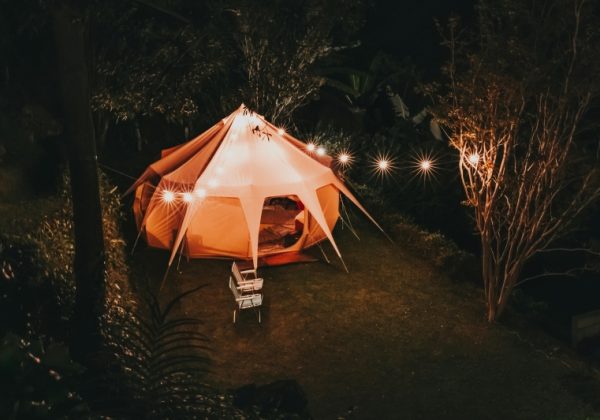
Glamping (lodge tents, treetop cabins, yurts) appeals to families seeking authenticity without giving up comfort. Made-up beds, locally sourced wooden furniture, and sustainable materials are the norm at certified establishments. This format particularly suits children aged 5 and up, who can appreciate the magic of a night in the heart of nature.
The bare pitch suits well-equipped families: tent, van, or caravan all fit here for the most accessible budget, starting from €160 a week according to the portal’s data. The simplest formula, it remains ideal for teaching children eco-gestures from a young age.

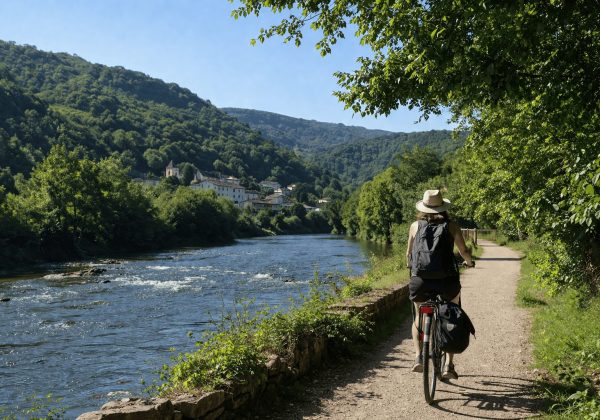
Gentle, outdoor activities are the heart of a successful stay at an eco-responsible campsite. They respect the environment, remain accessible to all ages, and create shared family memories. Here are the activities to favour for a memorable camping holiday:
Our tips: alternate sporty activities in the morning with quiet time in the afternoon to preserve everyone’s energy. Don’t forget to leave a free half-day each week: the best memories often come from unplanned moments around the campsite.
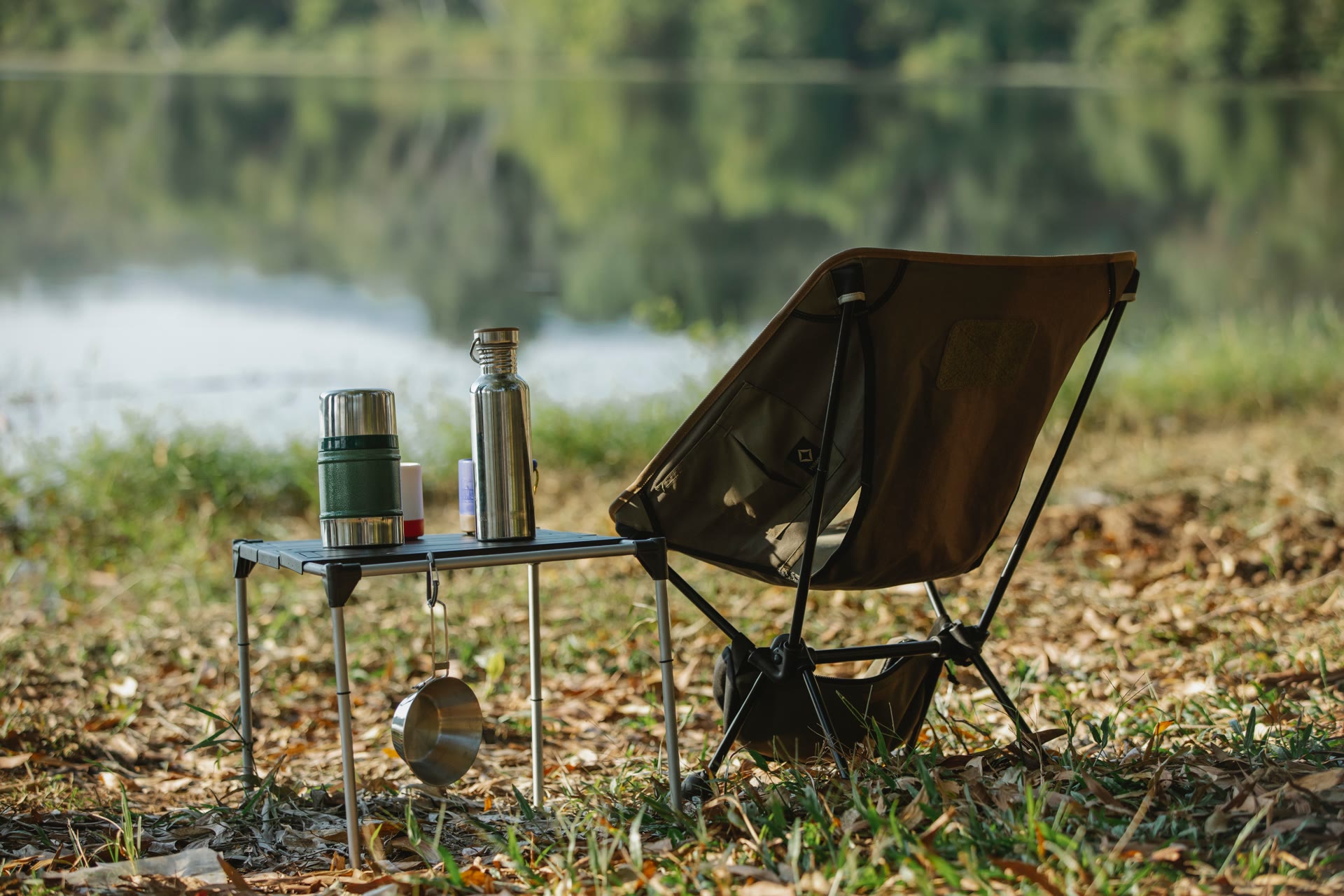
Good preparation turns a family camping trip into a shared success. Planning the gear ahead, organising meals, and adopting the right eco-gestures avoids most on-site frustrations. Here is the essential checklist to tick off before leaving:
Your next family camping holiday starts with choosing an establishment genuinely committed to the planet. Compare more than 430 certified campsites across the 13 regions of France on our site! Ready to head into the heart of nature with the whole crew?
There’s no strict minimum age for family camping. Babies adapt from just a few months old, provided you choose a mobile home equipped for their comfort. Young children from 3 to 4 years old fully enjoy the on-site activities. For tent overnights, it’s better to wait until they’re 5 to 6 years old.
Between camping and a holiday village, family camping offers more freedom, direct contact with nature, and often more affordable prices. A holiday village relies more on supervised activities and all-inclusive packages. For eco-responsible holidays that are also educational for children, camping remains unbeatable for nature immersion.
A week of family camping starts from €160 for a bare pitch and climbs to €1,145 for a premium mobile home in July-August, according to the portal’s data. Unusual glamping (treetop cabin, yurt, lodge) generally falls in the upper price range. Low season remains the most affordable for the whole family.
Yes, going family camping outside peak season remains entirely possible and even advisable. May, June, and September bring pleasant weather, fewer crowds, and noticeably lower prices. Do check the campsite’s opening dates, though, as some eco-responsible establishments close their services between November and April.
Pets are allowed at most French eco-friendly campsites, under certain conditions: up-to-date vaccination record, kept on a leash, daily supplement. Some glamping accommodations, however, refuse animals to preserve the cleanliness of the textiles. Check the establishment’s policy directly on the listing before booking.
Yes, the vast majority of eco-friendly campsites offer a pool (sometimes heated or covered), daytime activities, and a kids’ club in season. They favour human-scale facilities and responsible water management, though, sometimes with chlorine-free natural swimming ponds.
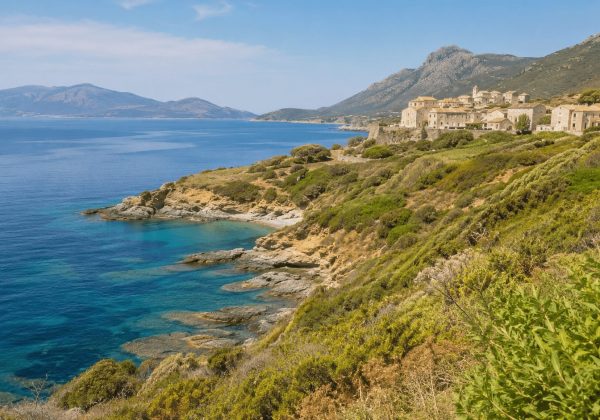
Family campsites offer hiking, cycling, tree-top adventure courses, forest obstacle courses, group games, and supervised sports activities. Coastal sites often add sailing, paddleboarding, or canoeing, while those near a river focus on natural swimming and canyoning. The programme varies by region and the size of the site.