
Blog
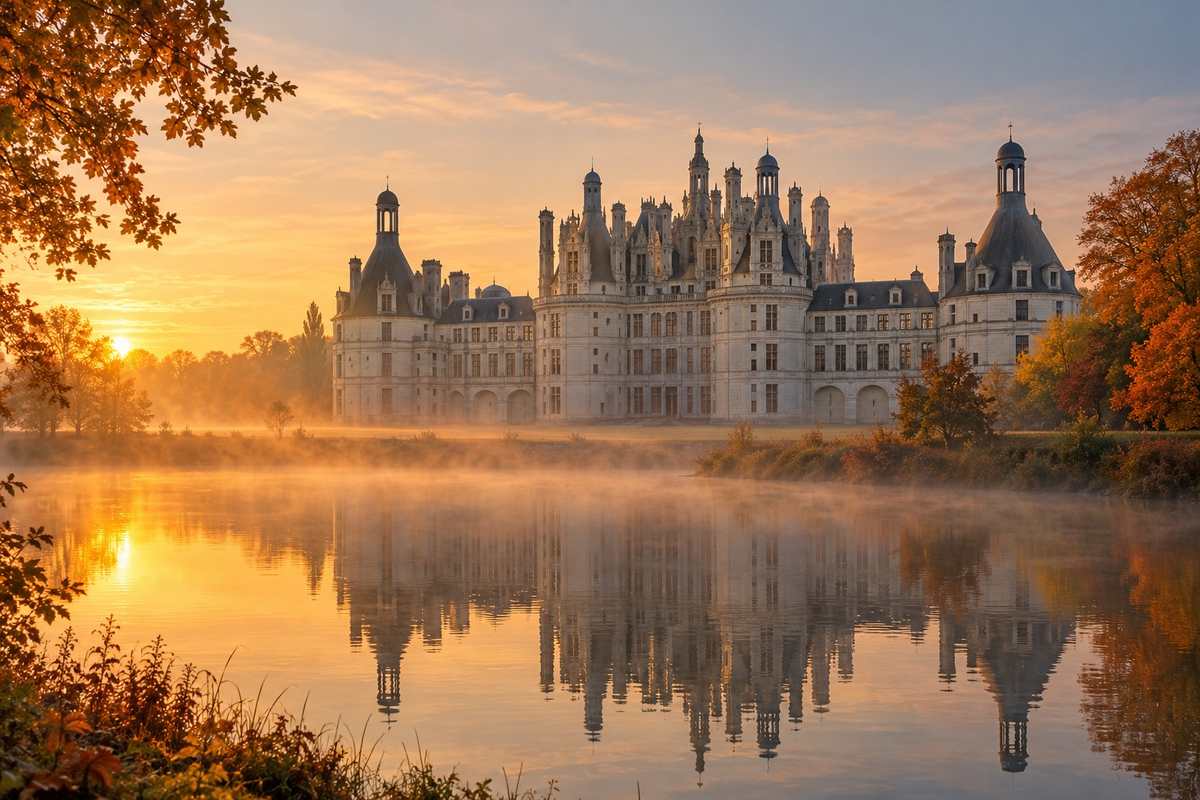
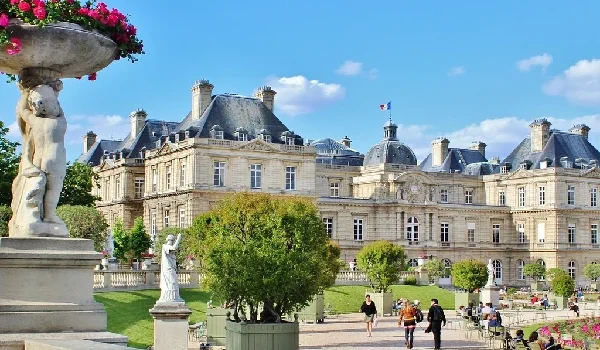
With its towers, chimneys and famous double-helix staircase, the Château de Chambord is the largest of the Loire châteaux. But Chambord is also a vast forest estate, where deer and wild boar roam free. It is a visit that lends itself perfectly to a nature break, on foot, by bike or by boat, far from the image of a simple monument.
Here is how to visit Chambord: what not to miss at the château, how to enjoy the estate, how to get there without a car and where to stay nearby.
| Question | Key points |
|---|---|
| Where? | In the Loir-et-Cher, about fifteen kilometres from Blois |
| The château | More than 400 rooms, 282 fireplaces, the double-helix staircase, the terraces |
| The estate | More than 5,000 hectares of forest enclosed by a wall, deer and wild boar roaming free |
| Time needed | Half a day for the château, a full day to enjoy the estate as well |
| Without a car | Train to Blois then a shuttle, or by bike along La Loire à Vélo |
| Best season | Spring for nature, autumn for the deer rut |
Built from 1519 at the request of François I, Chambord is one of the most iconic monuments of the French Renaissance. The château has more than 400 rooms and nearly 300 fireplaces, including some sixty rooms open to visitors. Don’t miss the great double-helix staircase, at the heart of the keep: two flights that wind around each other without ever meeting, so that two people can see each other without crossing paths. Its design is often linked to the ideas of Leonardo da Vinci, a guest of François I, although his role has never been established with certainty.
Then climb up to the terraces, amid a forest of chimneys, lanterns and carved roofs: the view over the estate and the formal French gardens is one of the highlights of the visit.
Around the château lies an estate of more than 5,000 hectares, surrounded by a long boundary wall, making it one of the largest enclosed forest parks in Europe. Part of it is open to the public, with walking trails and cycle paths, while the rest remains a reserve where wildlife lives undisturbed. Observation hides let you spot red deer, hinds and wild boar, especially at daybreak and towards the end of the day.
In September and October, the estate echoes with the deer rut, the mating season: an impressive soundscape, best heard at nightfall, from the hides or during the guided outings offered by the estate.
Chambord is easy to reach without a car. Trains serve Blois-Chambord station from Paris-Austerlitz, Tours or Orléans; a shuttle then links the station to the château, with a service that varies with the season: check the timetables on the regional transport website before you set off. By bike, the La Loire à Vélo route lets you ride from Blois to Chambord in a few hours on quiet lanes. For more ideas, read our tips for car-free holidays.
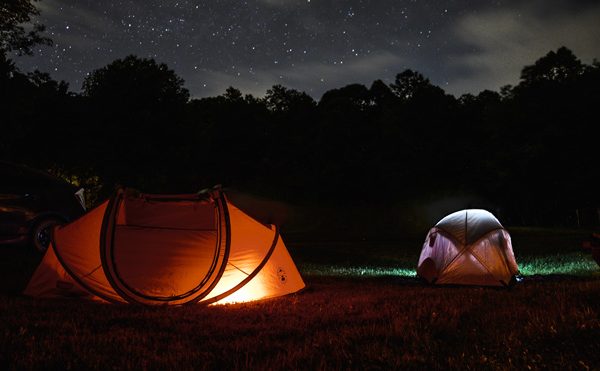
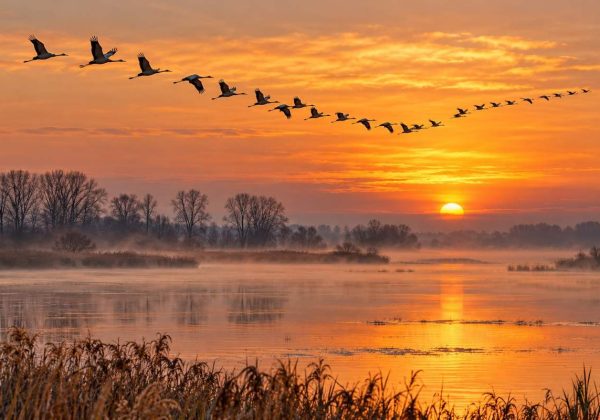
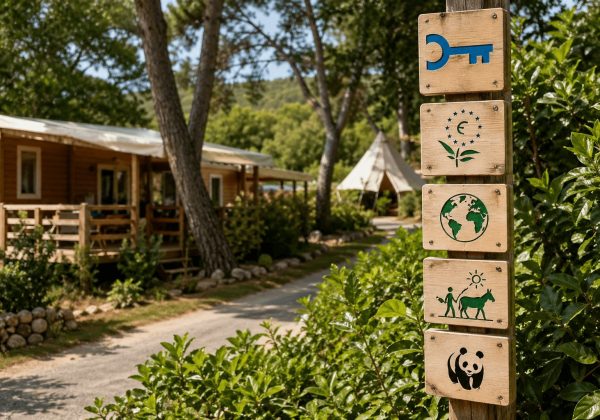
To enjoy the estate in peace, early in the morning as well as in the evening, it is best to stay nearby. In Mont-près-Chambord, a few kilometres from the estate, the eco-campsite Les Lodges de Blois-Chambord, awarded the Green Key label, offers accommodation in the heart of nature, with no cars on site. Also browse all our nature campsites in the Loir-et-Cher and, if you come in autumn, don’t miss the common cranes flying over the Loire.
Chambord deserves much more than a quick tour of the château. Take time to climb up to the terraces, then explore the estate on foot or by bike, at the hour when the deer come out of the forest. By coming by train and bike, and staying nearby, you will discover the largest of the Loire châteaux at nature’s pace.
Allow half a day for the château and its terraces, and a full day to also enjoy the estate on foot or by bike and the wildlife observation hides.
The great double-helix staircase at the heart of the keep, the royal apartments, the terraces bristling with chimneys and lanterns, and the view over the formal gardens and the forest.
Yes. The estate is home to red deer, hinds and wild boar roaming free. Observation hides let you spot them, especially at daybreak and late in the day, and the deer rut can be heard in September and October.
By train to Blois-Chambord station, then by shuttle to the château, with timetables that vary with the season. By bike, the La Loire à Vélo route links Blois to Chambord on quiet lanes.
Yes, the estate is crossed by La Loire à Vélo and the Châteaux à vélo network, and has several kilometres of cycle paths. Stay on the paths open to the public.
In Mont-près-Chambord, a few kilometres from the estate, the eco-campsite Les Lodges de Blois-Chambord, awarded the Green Key label, offers accommodation in the heart of nature.
Campsites marked “Partner” are Aimer Camper members and are shown first. All results match your search.