
Blog
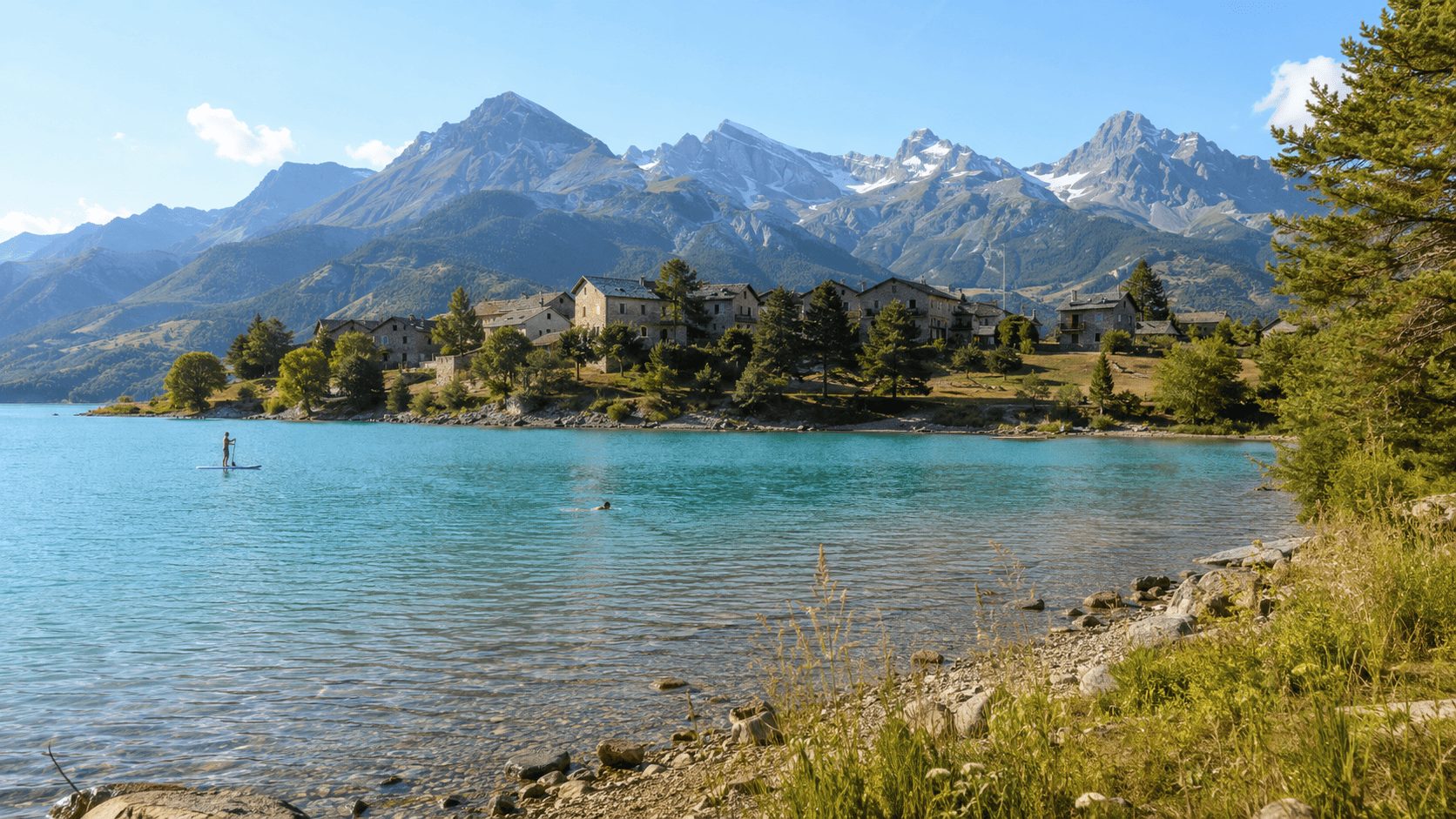
Turquoise lakes, peaks over 3,000 metres and stone villages: the Hautes-Alpes combine unspoilt nature with a rare heritage. In a single day, you can go from swimming in Lake Serre-Ponçon to hiking at the foot of the Écrins glaciers. To help you get your bearings, here are 8 concrete ideas for what to do in the Hautes-Alpes.
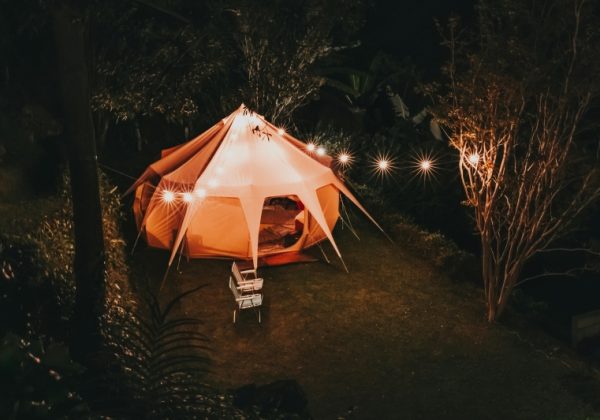
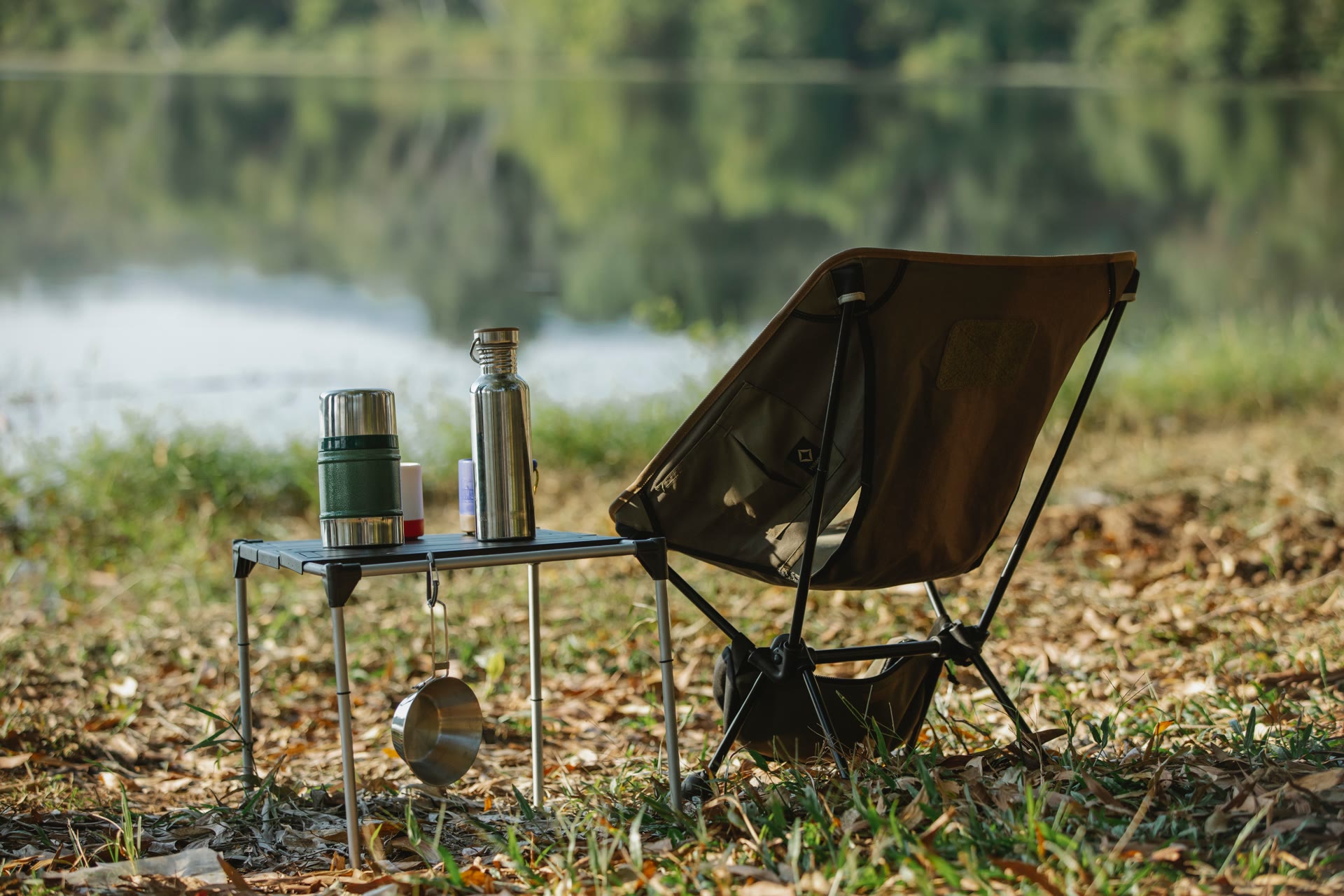
And to stay as close as possible to this nature, set up base at an eco-friendly campsite in the department.

The Hautes-Alpes owe their reputation to remarkably diverse mountain landscapes. Between a vast lake, a national park and a flower-covered pass, three sites sum up this natural wealth and set the tone for a stay in the great outdoors.
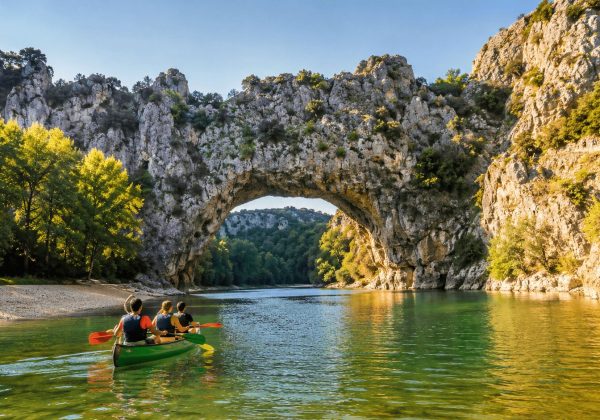
Lake Serre-Ponçon covers nearly 3,000 hectares, making it the second-largest artificial lake in Europe. Created by the flooding of a dam in the late 1950s, it now forms large beaches and quiet coves. You can go sailing, paddleboarding, kayaking, or simply swimming, with the peaks as a backdrop.
Created in 1973, Écrins National Park protects an exceptional high-altitude territory. It has around 150 peaks over 3,000 metres, including the Barre des Écrins, which rises to 4,102 metres, as well as vast glaciers. Its roughly 750km of marked trails suit both a family walk and a high-mountain expedition.
The Col du Lautaret is home to an alpine garden perched at 2,100 metres altitude. This conservation site brings together over 2,000 species of mountain flowers from the Alps and around the world. When in bloom, the site becomes a colourful mosaic, worth discovering during a stop on the road to the Meije.
Our favourite spot: the wild shore of Lake Serre-Ponçon, on the Savines-le-Lac side, where the water takes on emerald tones at the end of the day. Away from the busiest beaches, you’ll find shaded spots perfect for a quiet picnic, with your feet in calm water. This is the place we recommend for enjoying the lake without the summer crowds!

Beyond its landscapes, the department preserves a heritage shaped by altitude and military history. Two stops are a must to grasp the character of the region’s mountain villages.
Briançon overlooks the valley at 1,326 metres, making it the highest town in Europe. Its upper town, ringed by ramparts designed by Vauban, has been a UNESCO World Heritage Site since 2008. Climb up to the collegiate church, walk along the fortifications, then wander through the steep streets of the old town.
Mont-Dauphin continues the discovery of the fortifications, with its stronghold also listed among the major Vauban sites network. Higher up in the Queyras, Saint-Véran is one of the highest villages in France, at nearly 2,040 metres, and is one of the Plus Beaux Villages de France. Its wooden houses and sundials tell the story of rural life from days gone by.
The Hautes-Alpes are as much to experience as to admire. Here are the experiences not to be missed.
“After several seasons exploring the department, our team recommends setting off early in the morning for high-altitude hikes: the light is more beautiful, the trails quieter, and you’ll spot marmots and ibex before the other walkers arrive.”
Want to experience the Hautes-Alpes at nature’s own pace? Book your next stay at an eco-friendly campsite in the Hautes-Alpes and set off to discover lakes and summits in line with your values.
In summer, the Hautes-Alpes are ideal for high-altitude hiking, swimming in Lake Serre-Ponçon and whitewater sports such as rafting. The fortified villages of Briançon and Mont-Dauphin are also pleasant to visit in the cool of the morning or at the end of the day.
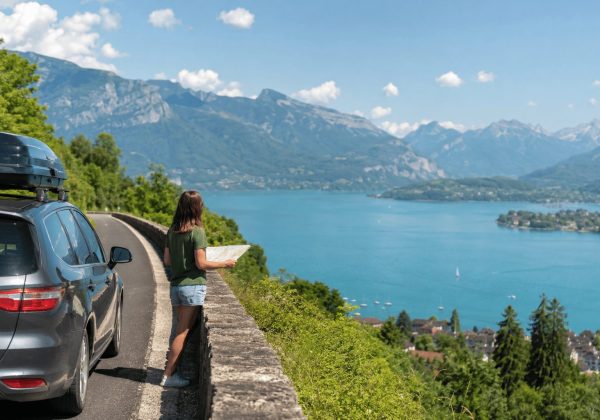
To visit the Hautes-Alpes at a relaxed pace, allow at least 4 to 5 days. This gives you time to combine a day at Lake Serre-Ponçon, a hike in the Écrins and a visit to Briançon. A week-long stay also leaves time to explore the Queyras and its villages.
When it rains in the Hautes-Alpes, you can visit the covered fortifications of Briançon, discover the local museums, or make the most of indoor swimming facilities. The Écrins National Park visitor centre also offers exhibitions to help you learn about the massif’s wildlife and plant life.